Posted on

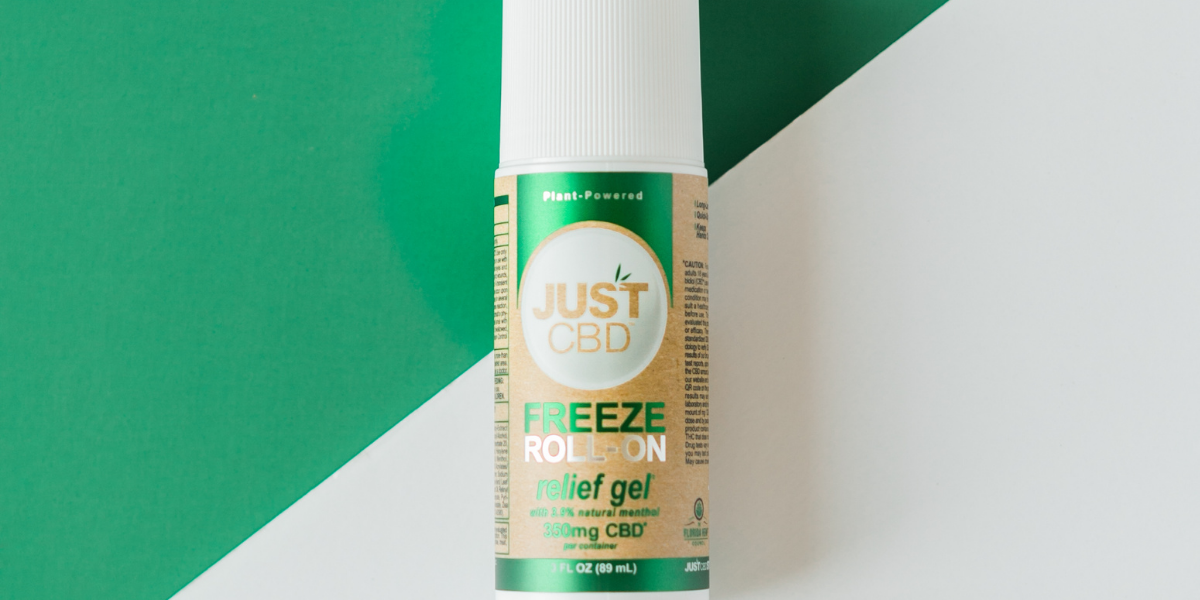
CBD Creams & CBD Pain Cream Users Guide 101

CBD Cream & CBD Pain Cream Ultimate Guide

Topicals have quickly become one of the most popular ways to enjoy the benefits of CBD

CBD pain cream may be the most effective ways of using CBD for targeting specific points of tension or pain.. and this feature alone offers a lot of appeal.

In today’s video we’re breaking down all of the biggest questions about CBD topicals and pain creams..

What exactly is CBD?

CBD is short for cannabidiol, and it’s a naturally occurring compound that comes from the hemp plant.
CBD is actually one of over a hundred different substances, called cannabinoids, that come from hemp. Compounds like CBG or THC, which all have their own specific advantages. But unlike THC, CBD is not psychoactive.
CBD has its own list of benefits, thanks to the unique ways it interacts with our mind and body.
Take a look at our video on CBD gummies to learn more.
Take a look at some of our other videos to learn more.

What is CBD Pain Cream?

A CBD topical is any cream or lotion that’s infused with CBD and can be applied directly to the skin
Topical cannabis dates back thousands of years, typically in the form of ointments, which have been widely used in traditional medicine for its antiseptic and anti-inflammatory properties.
In the modern era, topicals are infused with either CBD isolate or full-spectrum hemp oil, and because of the fatty lipid content of their carrier oils, CBD and hemp extracts do nicely in hydrating topicals with bases like shea butter, cocoa butter, and oils like coconut oil.

Full-Spectrum CBD Pain Cream vs CBD Isolate Pain Cream

As with most CBD products, CBD pain cream can contain either full-spectrum hemp, or CBD isolate.
Full-spectrum hemp products will contain all of hemp’s naturally occurring compounds.. Many consumers enjoy full-spectrum products, because it’s theorized that all of these compounds together will create a synergistic connection known as the entourage effect, which may amplify CBD’s benefits.
However, CBD isolate has its benefits too. Some individuals may prefer to avoid THC completely, especially those who find that they have a heightened sensitivity to THC, even in trace amounts

What’s the Difference Between CBD Cream and CBD Oil?

When distinguishing CBD pain cream from CBD oils or tinctures, the main difference is how they’re used: CBD oil can be taken orally, while CBD pain cream is applied to the skin.
Additionally, CBD oil is typically either CBD isolate or full-spectrum hemp, suspended in a carrier oil, and while CBD oil can be applied topically, it’s not formulated for skin the way CBD pain cream is.
CBD creams tend to have a thick, creamy consistency that’s easy to apply without a greasy residue, and readily absorbs into the skin.

What’s the Difference Between CBD Pain Cream and OtherCBD Topicals?

To be clear, CBD topicals include a wide range of different products, including roll-ons, ointments, and even lip balms. The main way in which all of these products differ lies in their consistency and usage.
There’s very little distinction between ointments and balms aside from their marketed use, but both tend to use fatty agents like waxes, butters, and oils, while incorporating very little water. These are suitable for people with rough, chapped skin that’s been inflamed.
CBD creams, on the other hand, tend to incorporate oils, emulsifying agents, and water for easier absorption and a less greasy consistency.
It gets interesting, though, when we talk about CBD creams for general use, and CBD pain creams.
Creams that use CBD as the main ingredient might not necessarily be for pain relief, as beauty brands are taking notice of the way that CBD can help the skin.
And while these may offer pain relief, CBD pain creams tend to offer far more intense relief.
CBD pain creams are specially formulated to help manage pain that’s set deep into the muscle tissue, making them suitable for those with joint pain, tired, stiff muscles, and stubborn tension.
Typically, CBD pain creams are made with higher concentrations of CBD, which is why they tend to be more expensive, and these formulas typically have other ingredients known for combating pain, such as menthol, arnica, and copaiba.

What Is CBD Pain Cream Good for?

CBD tinctures and edibles are orally ingested, and from there, the CBD is digested and delivered to the bloodstream so it can be absorbed into CB1 and CB2 receptors for a full-body effect.

CBD topicals work differently, though.

When CBD pain cream is applied to the skin, it creates a more local effect. In other words, the CBD is only going to affect the area you apply it to.
This is because the CBD can penetrate the skin and target localized cannabinoid receptors, and doesn’t need to bypass any digestion process.

How do I find the right products for me?

You’ve probably noticed already: there are lots of CBD pain creams to choose from.
But there’s no singular CBD pain cream that will work the best for everyone. Ultimately, it’s about shopping for one that works best for you.
And this is going to depend on a number of factors, and here are a few to consider:

Look for Clear Labels

If you’re going to learn anything at all about a CBD pain cream and how it will help you, you have to know what’s in it.
Check the labelling on CBD cream for the CBD amount, ingredients, and how to use the product. Checking for the type of CBD is important, as well: whether they use full-spectrum or CBD isolate. If any of these things are unclear, the CBD pain cream might not come from the most reliable brand.

Check for a Certificate of Analysis

As with all CBD products, always make sure that the CBD pain cream comes with a certificate of analysis from a third party lab. This is important because while labeling is crucial, it might not always be accurate.
In a certificate of analysis, you’ll get an exact report of the CBD levels in your product, as well as any other compounds, like cannabinoids and terpenes, if the product is full-spectrum

Keep the Ingredients in Mind

We mentioned that CBD pain creams are often distinguished for not just their CBD strengths, but the other ingredients as well.
When scoping out a good CBD pain cream, consider whether you want one with menthol. Menthol creates a noticeable cooling sensation, which will encourage the affected area to gradually warm up. This can work wonders for circulation and easing the muscles, but the intense minty aroma might not appeal to everyone.

How Do I Use CBD Pain Cream?

Compared to most other CBD products, CBD pain cream is pretty straightforward: there’s no dropper, no cartridge to worry about, and no need to take it under the tongue.
Instead, CBD pain cream is simply meant to be applied directly to the skin.
But some users are concerned about how much they should use; after all, dosage is generally something that’s emphasized in the CBD industry.
In the case of topical CBD, however, determining your dosage isn’t as crucial, since the CBD application is so localized.
Generally, a good rule of thumb for CBD cream is to use enough that will absorb into your skin without residue.
This is a good rule of thumb for most CBD creams, but CBD pain creams may come with a bit more guidance. Some brands package their products with a pump, and may offer instructions as to how many to dispense, but this is the most specific it gets.
And when applying your CBD pain cream, it’s of course helpful to apply directly onto the problem area, like your shoulders when they’re tense.
It’s generally recommended to give the cream some time to work, but you can re-apply every 3-4 hours as needed.
Finally, most CBD pain creams will probably list this in their packaging, but it’s still worth mentioning: CBD pain creams are for external use only, and should never be orally ingested!

How long does CBD pain cream last?

The effects of CBD pain cream varies with the amount, how much is applied, and the way your body reacts to it. But generally, you can expect a CBD pain cream to work between 2-6 hours.
Posted on

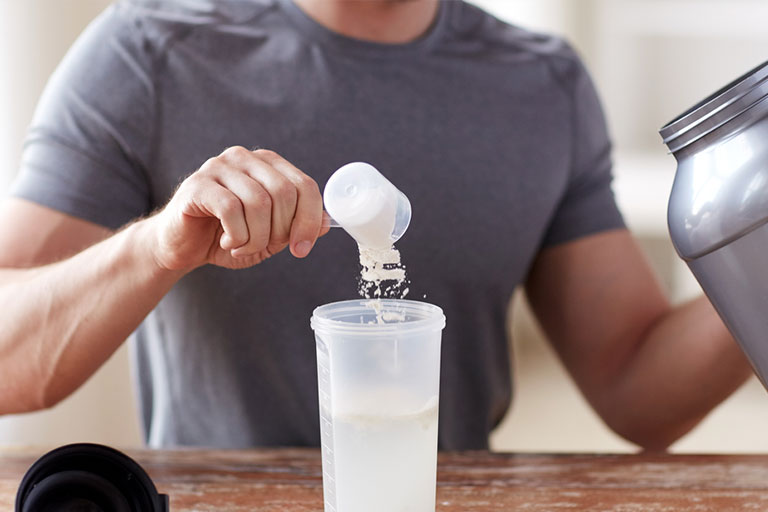
CBD Protein Powder: The Ultimate Post-Workout?

As more individuals are discovering CBD as a source of relaxation and wellness, the ways in which you can enjoy them!

And over the past few years, few products have gained popularity quite like edibles.

But most edibles share one particular problem: so much sugar!

On top of that, they don’t typically offer a whole lot of nutritional benefits.

Luckily, CBD oil can be added to tons of foods, and this included protein-packed meals. But when you have endless possibilities, we know it can be overwhelming.

That’s why we’re here to share some of our favorite recipes that use both CBD oil and protein powder! These are all great for after a workout, when you need to help your muscles recover as your mind winds down.

Each of these recipes can be changes to fit whatever your dietary needs may be, whether it’s vegan, paleo, or whole 30.

CBD Oil Post-Workout Bites

While these post-workout snacks may feel decadent, they make an excellent source of energy, not to mention fiber from the oats, healthy fats from the chia seeds and almond butter, and antioxidants from the dark chocolate.

And best of all: no blender or food processor necessary!

And while we use agave syrup for this recipe, you’re also welcome to use maple syrup or honey.

Ingredients:

  • 2 cups rolled oats
  • 1/3 cup chia seeds
  • 1 cup almond butter
  • 1/4 cup agave syrup
  • 1/2 cup dark chocolate (ideally 70% cacao)
  • 100-300 mg CBD oil

Directions:

  1. In a large mixing bowl, combine rolled oats and chia seeds.
  2. Add agave, almond butter, and CBD. Mix all together, ensuring CBD oil is evenly distributed.
  3. Line a covered dish with parchment paper and with a spoon, measure the mixture into equal balls, about 1 tbsp each. You should be left with about 20 bite-sized balls. Place in refrigerator and chill for 30 minutes to 1 hour.
  4. Place chocolate chips in the microwave and melt for about 1 minute.
  5. Once the bites have been fully cooled and solidified, take them out of the fridge and dip them into the melted chocolate. Place the chocolate-dipped bites in the refrigerator and allow them to chill for about 15 minutes.
  6. Once the chocolate has hardened, they can be immediately enjoyed. Bites will last in the refrigerator up to one week.

CBD Protein Pancakes?

These protein pancakes offer the benefits of CBD, protein, and an awesome breakfast. But of course, you can enjoy them any time of day!

Ingredients:

  • 1 medium ripe banana
  • 2 scoops of protein powder
  • 1 large egg
  • 1 tablespoon coconut flour
  • 1/2 teaspoon baking powder
  • 1/2 teaspoon vanilla extract (optional)
  • 1 tablespoon coconut oil
  • 100-300 mg CBD oil

Directions:

  1. Mash banana in a mixing bowl until it has a consistency similar to baby food.
  2. Beat the eggs and incorporate protein powder, coconut flour, baking powder, and vanilla extract until it becomes lump-free.
  3. Over medium heat, place a skillet and allow it to become hot, adding coconut oil if needed to prevent sticking.
  4. Once pan is fully heated, pour a pancake-size amount of batter.
  5. Wait for bubbles to form, flip, and let cook until both sides are a golden brown and the center becomes fully cooked through.
  6. Repeat until all batter is gone and then drizzle pancakes with desired topping: fruit, maple syrup, not butters, you name it!

CBD Protein Smoothie Bowl

Protein smoothies are a staple in post-workout recovery, but a smoothie bowl turns it into a meal!

Smoothie bowls give you the chance to add whatever toppings you’re craving, whether it’s granola, coconut flakes, fruit, nut butters, or chia seeds.

Ingredients:

  • 1 cup frozen strawberries
  • 1 cup frozen blueberries or blackberries
  • 1-2 scoops protein powder
  • 1 cup milk of choice: dairy milk, almond milk, coconut milk, etc.
  • 100-200 mg CBD oil
  • 1 Tbsp agave nectar or honey
  • Desired toppings

Directions:

  • Place berries, milk, protein powder, milk, CBD and sweetener in a high-power blender, and blend on high until smooth.
  • Pour in a bowl and garnish with desired toppings.
  • Enjoy immediately.
  1. Place all ingredients except topping in a strong blender such as a Vita-Mix
  2. Blend on high for 1 minute or until your fruit is smooth.
  3. Pour in a bowl and top with frozen fruit and shredded coconut.
  4. Enjoy right away.
Posted on

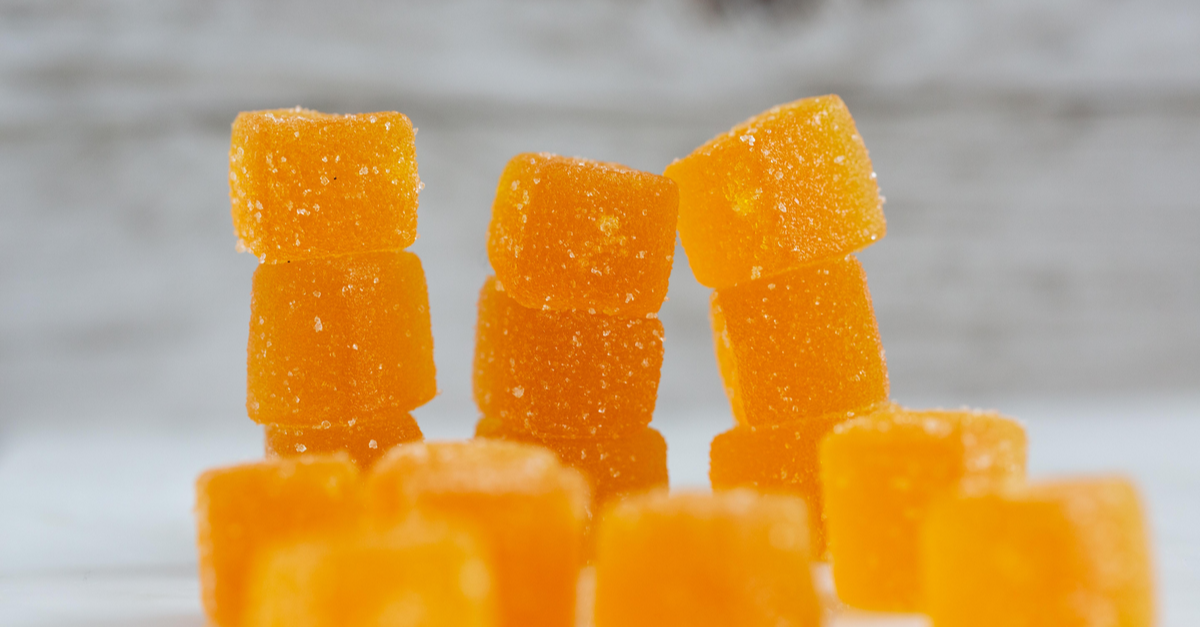
How to Make Apple Cider Vinegar Gummies with CBD

How to Make Apple Cider Vinegar Gummies with CBD

CBD gummies just might be one of the most, if not the most, popular way to get your CBD in. After all, who doesn’t love a tasty, chewy sweet treat that gives them relief with the bonus of discretion?

CBD gummies can be enjoyed anytime, anywhere. But over the past year or so, consumers are becoming increasingly more concerned about what exactly is in their gummies, and if these gummies even contain anything beneficial other than CBD.

Luckily, there are reputable CBD companies that offer gummies with high-quality ingredients, but there’s also one surefire way to make sure that you know exactly what’s going in your gummies.

Believe it or not, CBD gummies are a treat you can make from the comfort of your own home, and you don’t even need any crazy gourmet ingredients!

In this CBD gummy recipe we’re sharing today, it ultimately comes down to just a few ingredients: CBD, gelatin, sweetener, and our secret ingredient: apple cider vinegar.

Why Apple Cider Vinegar?

So you might be wondering: why apple cider vinegar? What even is apple cider vinegar?

ACV is made when fresh apples are thoroughly crushed, releasing the sweet, tart juices which are then mixed with “good” bacteria cultures and yeast. As you may already notice, this process isn’t too far off from making beer or wine.

This mixture is then left to ferment as sugars are turned into ethanol, then acetic acid.

And in the case of apple cider vinegar, acidity is actually a wonderful thing, because when something is acidic, it’s less likely to take on any foreign or dangerous pathogens, since low pH substances don’t create the right environment.

Further, when something is acidic, it tends to have a tart, almost sour taste, and while this isn’t the most pleasant taste on its own, it can be turned into a sour gummy snack when you add some sweetness and texture.

And when it comes to health properties, organic, unfiltered apple cider vinegar contains a murky, cloudy-looking substance called “the mother,” which is made up of proteins, enzymes, and beneficial bacteria. And while there aren’t enough studies to fully support this, it’s believed by some people that this is what gives apple cider vinegar the majority of its health benefits.

What You’ll Need

If you ever thought making candy was hard, here’s the recipe that’ll prove otherwise! With the straightforward use of gelatin, you won’t even need a candy thermometer! The only equipment you need is silicone molds and a saucepan.

Equipment:

  • Silicone Molds
  • Saucepan

Ingredients:

  • ½ cup apple cider vinegar (raw)
  • ½ cup apple juice
  • 3 tablespoons honey, maple syrup, or agave nectar
  • ⅓ cup water (at room temperature)
  • 2½ tablespoons gelatin powder
  • 300 mg CBD oil or isolate powder

Yields about 30 servings

How to Make Apple Cider Vinegar CBD Gummies

1-In a saucepan, combine the apple cider vinegar, apple juice, and sweetener. Turn your burner to medium heat, stirring constantly as the mixture warms up. Once ingredients are well combined, turn off the heat.

2-Fill a cup with the water and incorporate the gelatin by lightly sprinkling over the substance. Leave the cup sitting for one minute, allowing the gelatin to bloom, before whisking vigorously to completely dissolve. The mixture will take on a gel-like consistency.

3-Add the gelatin-water mixture to the saucepan and whisk it in, combining until the mixture is completely dissolved

4-At this point, taste the liquid and sweeten to your liking. Less sweetener will give the gummies a more tart, sour flavor

5-Add the CBD oil or isolate powder, and pour into silicone molds. Refrigerate about 6 hours, until the gelatin is completely firm, and push under the mold to pop out the gummies.

6-Gummies will stay fresh in the refrigerator for up to 6 days.

Posted on

Your Guide to Delta 8: What It Is, How to Take It, and How to Shop the Best Products

You may be familiar with CBD, but have you learned about its relative?
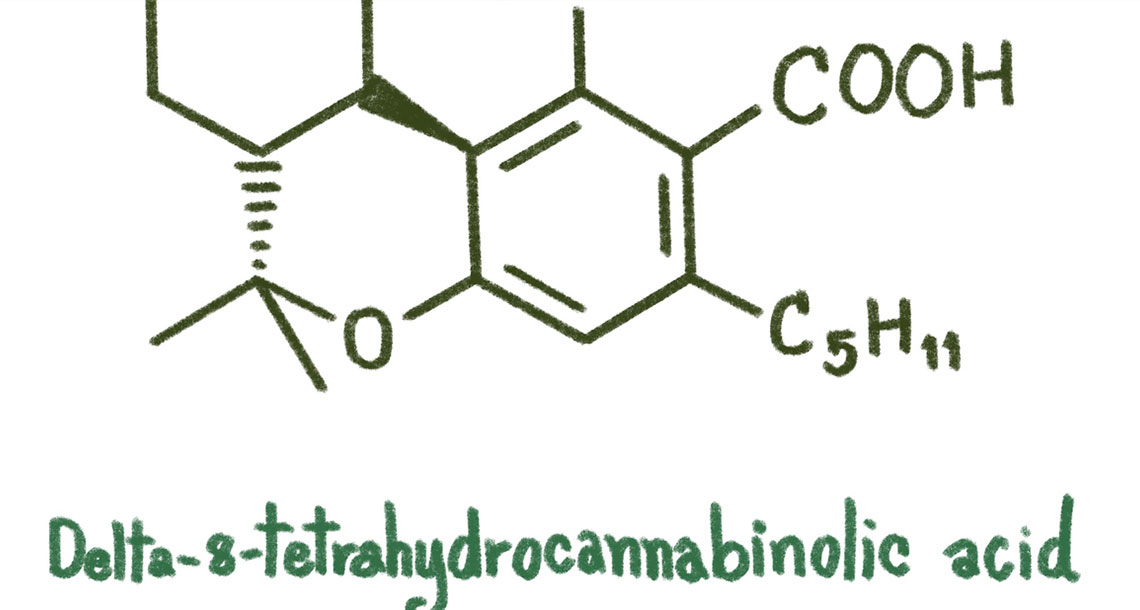
Delta 8 is “the little sister” of delta 9 THC, the cannabinoid most associated with marijuana. However, delta 8 offers some considerable legal leeway and milder effects, making it a potentially viable option for many individuals.
Is delta 8 for you? Read on to learn more!

What is Delta 8?

First things first: what exactly is delta 8 THC?

Basically, delta 8 THC is one type of compound found in hemp, which is known as a cannabinoid.

Hemp contains hundreds of cannabinoids, and you may be familiar with a few. For instance, the ever-famous CBD, or cannabidiol, is a cannabinoid.

Delta 8 is part of a subset of cannabinoids, known as tetrahydrocannabinols (THC). When we talk about THC, we typically associate it with the type you find in marijuana: delta 9 THC. Delta 9 is known for creating a high with its highly psychoactive properties, and delta 8 is considered its “little sister.”

What does this mean?

Basically, delta 8 THC behaves similarly to delta 9, but not at the same magnitude.

While delta 8 is classified as psychoactive, it’s not as psychoactive as delta 9, and it lacks the side effects of paranoia and anxiety.

One of the greatest appeals with delta 8 THC, however, is the legal leeway it can offer. While delta 9 is still illegal in multiple states, many states which allow hemp products like CBD offer similar allowances for delta 8.

Is Delta 8 Legal?

So we’ve mentioned that delta 8 THC offers legal leeway, but what does this mean, exactly?
Specifically, it means that, like industrial hemp, delta 8 is federally legal, but it must be noted that some states continue to ban delta 8.
Whenever you look into purchasing any type of substance, we always recommend that you do your due diligence and check the legal status of the substance within your state of residence, especially since some laws can change with specifics.
That being said, here is a list of states by legal status of delta 8 THC, as of the day this article was written (2/17/21):

Legal:

  • Alabama
  • California
  • Connecticut
  • Florida
  • Georgia
  • Hawaii
  • Illinois
  • Indiana
  • Kansas
  • Kentucky
  • Louisiana
  • Maine
  • Maryland
  • Massachusetts
  • Michigan
  • Minnesota
  • Missouri
  • Nebraska
  • Nevada
  • New Hampshire
  • New Jersey
  • New Mexico
  • New York
  • North Carolina
  • North Dakota
  • Ohio
  • Oklahoma
  • Oregon
  • Pennsylvania
  • South Carolina
  • South Dakota
  • Tennessee
  • Texas
  • Vermont
  • Virginia
  • Washington
  • West Virginia
  • Wisconsin
  • Wyoming

Illegal:

  • Alaska
  • Arizona
  • Arkansas
  • Colorado
  • Delaware
  • Idaho
  • Iowa
  • Mississippi
  • Montana
  • Rhode Island
  • Utah

Now that you have a general idea of where delta 8 is and isn’t legal, you may still be wondering: how can delta 8 be consumed?

Good news: if you’re familiar with taking CBD, delta 8 can be enjoyed in very similar forms.

And just like CBD, there are two types of products that are especially popular: delta 8 gummies and delta 8 vape cartridges.

Delta 8 Gummies: The Sweetest Delta 8 Treat

If you’re new to delta 8, gummies make for an easy introduction, but even the most experienced delta 8 users enjoy a tasty treat like this!

Chewy, sweet, and available in multiple flavors, delta 8 gummies are a type of edible that’s infused with delta 8 distillate, which is extracted from industrial hemp as a concentrate.

Similar to CBD gummies, delta 8 gummies are available with full-spectrum cannabinoids, but you can also enjoy them in isolate forms with delta 8 distillate.

Delta 8 gummies make for quite the sweet treat indeed, but how do you know if a product is legit?

Because while delta 8 is federally legal, it’s not regulated by the FDA, which means the quality is left to the brand.

Luckily, there are a few ways to determine a good gummy.

First, make sure that the store has the necessary license, and check out the store’s reputation online. Additionally, see if the delta 8 company you’re looking at has good customer service, and make sure they offer a certificate of analysis from a third party lab.

Delta 8 Vape Cartridges

Gummies make for a nice little delta 8 break, but what about when you want delta 8 fast?

Delta 8 vape cartridges are a convenient and discreet form of delta 8, and vaping offers some of the highest levels of bioavailability with the bonus of a smooth, subtle flavor.

Delta 8 vape cartridges typically contain a distillate oil containing delta 8 THC suspended in cannabis oils and terpenes, and in most cases, they’re made to be universally compatible with standard vape batteries.

When looking for high quality delta 8 cartridges, the factors with gummies are also applicable here, but another quick factor to check for is the color of the vape liquid. Generally, go for a liquid that’s clear, rose, or champagne-colored, but avoid liquids with a dark or red tint.

Also make sure that the certificate of analysis is from a local lab, and not one from out of state, as this could indicate multiple attempts at a passed analysis.

Delta 8 Gummies vs Delta 8 Vape Cartridges: Which One’s for Me?

Delta 8 Gummies vs Delta 8 Vape Cartridges: Which One’s for Me?
So now you may be wondering: which one is for me–delta 8 gummies or delta 8 cartridges?

This all comes down to preference. If vaping is something you’re familiar and comfortable with, then you may find some enjoyment out of delta 8’s bioavailability. However, if vaping is not something you’re comfortable with, gummies may be the better option.

Keep in mind, though, that delta 8 edibles will take longer to take effect because they’ll need to be digested. Because of this, however, delta 8’s effects may actually last longer.

Whatever you choose, delta 8 can be a euphoric, pleasurable experience as long as you’re familiar with the laws in your area, and have insured that the product you choose is high quality.

Buy JustDELTA 8 Today

Posted on

CBD Oils & Tinctures 101

Among all the ways one can take CBD, CBD oils and tinctures continue to be the most popular, but the average shopper ca easily find themselves overwhelmed with questions, like “how is CBD oil different from CBD tinctures?” or “how do I shop for CBD?” or “what does CBD do anyway?”

In this article, we’ll answer all of these questions and more!

CBD and Its Benefits

Before we go into the distinctions of CBD tinctures and oils, let’s go over what exactly CBD is.
So…what is CBD?

CBD, also known as cannabidiol, is part of a large group of fascinating components known as cannabinoids, and this is the same group that THC comes from.

However, CBD is different from THC, in that it does not possess the same psychoactive effects that are responsible for getting the user high, or for creating those associated euphoric effects.

Rather, CBD has become largely associated with the wellness field, due to its purportedly calming and anti-inflammatory effects, making its potential benefits highly versatile.


What is CBD Oil?

When it comes to distinguishing CBD oils from tinctures, CBD is most often identified as being extracted from hemp through CO2-based methods and thereby added to a carrier oil for better preservation and easier human consumption.

In this process, the CBD is extracted from not only the flowers, but also the stalks and seeds, as well, resulting in a form of CBD that’s especially potent, and that’s why it tends to be one of the most expensive.

What are CBD Tinctures?

Tinctures, on the other hand, are still a form of CBD, but the difference lies in what else it contains.

In the CBD industry, tinctures are, by definition, alcohol-based, meaning that its manufacturing process involves distilling hemp into a high-proof alcohol over a slow heat process

Now that you’ve learned about CBD oil, what is CBD tincture? When distinguishing a CBD tincture vs. oil, there are a few factors to determine. By definition, a tincture is an alcohol-based or alcohol and water-type solution. In the CBD industry, the process of creating a CBD tincture involves saturating hemp material into high-proof alcohol–typically a 60=70% distilled alcohol solution, and heating it slowly for some amount of time.

CBD tinctures can be consumed in the same ways that CBD oils can, and while they typically don’t contain the same concentraitons as a CBD oil, they still tend to possess a higher bioavailability, and they tend to have a comparatively longer shelf life.

CBD Carrier Oils

When talking about CBD oils, we briefly mentioned the fact that they’re based on a carrier oil. Here, we’ll explain why this is so important.

As suggested, a carrier oil carries, or hold CBD and any other components that may be derived from hemp.

In other words, a carrier oil acts as a solvent, meant to contain the compounds for easier consumption in the future.

But one thing you’ll learn when choosing a CBD oil is that there are many different carrier oils to choose from. And as you’ll also quickly notice, no two carrier oils are the same, but instead come with their own array of benefits and disadvantages.

While we won’t go over every possible carrier oil, we’re still going to focus on a few of the most popular choices in a CBD oil product.

Hemp Seed Oil

Hemp seed oil is sometimes referred to as “hemp oil”, but don’t let this nomenclature confuse you with the CBD-concentrated product, as it tends to contain only trace amounts of CBD, if any at all.

That being said, hemp seed oil still has its uses as a carrier oil.

Hemp seeds are known as a superfood, since they possess high levels of proteins and healthy fats, which may help promote skin health while keeping inflammation down.

On top of that, hep seed oil may possess benefits for preventing heart disease, although research is still in its infancy.

Hemp seed oil tends to possess a naturally green color and a nutty, herbaceous flavor, and while many find it enjoyable, it might not be as palatable to others.

Coconut/MCT Oil

Coconut oil is an especially popular choice when it comes to CBD carrier oils, more so when it’s in the form of its extracted medium-chain triglycerides, or MCTs.

Individuals favors MCts party for their physical stability: unlike traditional coconut oil, MCT oil stays more readily in its liquid form. More importantly, MCTs are distinguished for what their structure does for our bodies.

While most fats and oils are made up of long-chain triglycerides, or LCTs, and consist of at least 14 carbon atoms, MCTs tend to have around 12. And because of this smaller molecular composition, MCTs tend to blend more readily with water, i.e., the water making up most of our body’s content, which means better bioavailability.

dstream quickly without needing to be digested first, you will feel the effects far sooner.

Grapeseed Oil

Grapeseed oil is another popular carrier oil choice. As a byproduct of winemaking, grapeseed oil is pressed from leftover grapeseeds, resulting in an oil that’s especially high in vitamin C, vitamin E, and omega-6 fatty acids, and could also make for an excellent source of antioxidants, Additionally, grapeseed oil is quite affordable, and could spell a cheaper CBD oil that still offers a range of benefits, but it should be noted that it tends to have a lower bioavailability and solvency rate compared to MCT oil.

Shopping for CBD Oils & Tinctures

Shopping for anything you’re unfamiliar with can always be daunting; especially if you’re doing it online. And in the case of shopping for CBD oils, it’s important to understand the brand you’re considering, since CBD is not regulated by the FDA.

So here are a few things to keep in mind when shopping for CBD oils and tinctures.
Third-Party Testing
No matter the CBD product, third-party lab testing is always a must, as this is the biggest factor that will determine whether a brand’s reputable or not. This is because while CBD’s been made legal, it’s still not regulated by the FDA, so it’s up to every individual brand to prove their own credibility.

And they do so by partnering with independent labs that test a product for its CBD and THC levels, the other cannabinoids it might contain, as well as any other additives and if the soil contained any metals ot pesticides.

THC Amount
THC isn’t legal everywhere, and besides that, not everyone wants to consume it when they’re trying to relax.

Those are two major reasons as to why THC is a huge factor in determining a quality CBD oil or tincture brand. Depending on where you are, a CBD oil should ideally contain no more than 0.3%, and this is required in states where marijuana’s banned.

Meanwhile, there are some who’d rather have no THC at all: many individuals have a heightened sensitivity to THC, and experience paranoia, depression, or mania when consuming it. Meanwhile, there are some of us whose jobs require rigorous drug testing, and while a CBD oil with 0.3% THC shouldn’t really affect the user, it may still affect the results on a drug test.

For this reason, it’s better if some CBD users simply acquire a CBD oil with 0% THC–in other words, a CBD isolate.

Ingredients Used
It should be noted still, that hemp is not the only ingredient in CBD oils and tinctures. In the simplest oils, you’ll likely see two ingredients: hemp extract or CBD isolate, and a carrier oil. Likewise, a CBD tincture may only have CBD and alcohol, although it’s quite common for brands to add additional herbs, melatonin, vitamins, etc.

Bottom line: if there’s an ingredient in your CBD oil or tincture that you aren’t familiar with, it’s recommended that you consult your search engine online.

Hemp Source
Of course, hemp is key with CBD products, and quality hemp depends on quality cultivation. This means knowing where it came from, what their cultivation practices look like, and how experienced their farmers are.

US-grown hemp is the best out there, as the soil quality’s perfect for growing healthy, potent strains of hemp to create CBD oils and tinctures.

We cannot assume that all CBD brands put in the care that we deserve: due to the vastly growing industry, a lot of opportunistic folks have cashed in on hemp to make a quick buck, and as a result, they don’t always maintain close relationships with growers, and instead focus on maximizing their revenue.

Additionally, brands might also boast that their hemp is organically grown in the United States, and will use buzz-words like “quality,” “innovative,” and “cutting-edge,” but won’t deliver the hard facts. Always stick with brands that list the exact farms they sourced, and from what state.

This is also why a certificate of analysis comes in handy: this will ensure that the hemp wasn’t exposed to any pesticides, metals, or toxins that might compromise the quality of your CBD tincture or CBD oil.

How to Use CBD Oils & Tinctures

One of the great things about CBD oils and tinctures is their versatility, but it should also be noted that they tend to be more potent as well. So if you’re not used to CBD, it’s best to start with the lowest dosage possible and work your way from there.

And because pretty much all CBD oils and tinctures come with a convenient dropper for measuring and dosing. On top of that, it’s worth noting that there’s no evidence that one can overdose on CBD, but taking too much too quickly can potentially lead to an increased tolerance, which can lead you to buying CBD more often, and this will get quite expensive.

That being said, it’s always recommended that you talk to your doctor when considering CBD dosage, as they’re going to give the most accurate recommendation based on your metabolism, weight, and reason for taking CBD.

Determining your CBD oil or tincture also depends on how you consume them. There are several ways you can use these versatile products, but here are the main three:

Where do I buy CBD Oil Tinctures near me?

  1. The Sublingual/Under the Tongue Method:
    Those new to CBD oils might think that you’re supposed to just swallow it, but this method can take away a lot of the bioavailability. Instead, it’s more recommended to take it under the tongue and hold it there for at least 30 seconds. This way, CBD is absorbed by the sublingual gland, and the CBD doesn’t have to undergo digestion before absorbing into your bloodstream.
  2. Add to Edibles
    Tinctures and oils can be easily added to a number of different foods; not only for baking, but you can add it to yout favorite beverages as well. Keep in mind, though, that when you use CBD oils, they’re going to be fat-based, so it might blend best into fat-based foods like butters and nut butters.
  3. Topical Application
    Generally, if you want to use CBD on your skin, it’s more recommended to use a specially-formulated CBD topical, since these products will use more ingredients that can benefit your skin and muscle tissue.

However, if you find yourself in need of pain relief in a specific area, you can absolutely rub some CBD oil in that area, where the CBD’s effects can be delivered locally. CBD is also quite soothing in a bath, especially when combined with essential oils.

CBD Tincture Side Effects

While you shouldn’t have to worry about overdosing on CBD, it’s still worth mentioning that some side effects can still occur.

CBD is also not meant for everyone, particularly those who take certain medications. Those taking beta-blockers, antidepressants, SSRIs, antipsychotics, or opioids should avoid CBD oil, as an undesired interaction may occur.

That aside, those taking CBD oils or tinctures may experience some of the following side effects:

  • Fatigue
  • Irritability
  • Nausea

FAQs

Will CBD oil make me feel high?

While CBD’s been known to produce a relaxing effect, it shouldn’t create any sense of intoxication, or a “high,” since CBD oils and tinctures don’t contain THC.

Yes, so long as the product is derived from hemp and contains less than 0.3% THC.

Can I cook with CBD oils and tinctures?

Absolutely! CBD is great for cooking and incorporating into foods.

Posted on

7 Questions You Should Ask Before Buying CBD

7 Questions You Should Ask Before Buying CBD

When CBD first hit the market, it might’ve seemed to some as a passing fad, but it’s becoming rapidly well known as a product that plenty of people may benefit from.

However, CBD still has a long way to go before your doctor (or the FDA) can recommend it, and this can make the act of shopping for CBD quite daunting.

And as the market grows, there are more and more brands to choose from, making the process appear even more overwhelming!

Here’s the good news though: you can shop for CBD as an informed shopper.

And becoming an informed shopper starts with knowing the right questions to ask. That being said, here are 7 questions to start off with when shopping for CBD for the first time

1. Is the CBD Sourced from Industrial Hemp or Marijuana?

Another key thing to ask when buying CBD is not only the intended use of the product, but what it contains and where it’s from.

The cannabinoid CBD can be extracted from two sources: industrial hemp: which is federally legal, and marijuana, which is not. This is also an important to consider, because CBD products derived from marijuana tend to contain higher levels of THC.

And this can come with its own issues: for one, a lot of individuals are interested in trying CBD because they’re hypersensitive to THC. This is also a big concern, depending on the state you live in, since most states still don’t allow hemp and CBD products to contain more than 0.3% THC.

That’s why, as a rule of thumb, it may be more favorable to go for CBD products with CBD derived from industrial hemp.

2. Where was the Hemp Cultivated?

Speaking of CBD products made with hemp, it’s also important to consider where the hemp came from.

Hemp is a crop that can be grown in most parts of the world, but its quality is heavily dependent on the soil and climate, and the United States and Canada are known across the board as having the best conditions for producing top quality hemp.

On top of that, the United States and Canada have strict growing procedures, and carefully monitor factors from soil contaminants to THC levels, giving customers the best peace of mind when buying their CBD derivatives.

3. Does this Product Contain Hemp Oil or Hemp Seed Oil?

The terms “hemp oil” and “hemp seed oil” are so similar, it’s easy to see how one might view the two as one and the same.

And unfortunately, less reputable companies are going to hope you don’t know the difference, because it’s actually quite telling.

You see, hemp oil, or hemp extract, is extracted from the flowers and leaves of hemp plants, and contain the bulk of the plant’s CBD, along with its other cannabinoids.

Meanwhile, hemp seed oil is derived from the seeds of the plant. And while hemp seed oil is high in omega-3 fatty acids among other nutrients, and makes a useful carrier oil, it’s important to note that it contains almost no CBD. So if you’re looking for a good CBD product, stick with products that list “hemp oil” as a key ingredient.

4. Is the Product Full-Spectrum Hemp or CBD Isolate?

You may have already noticed this one when browsing CBD: products will be labeled as either “full-spectrum hemp” or “CBD isolate.”

But what does this mean?

Basically, when a product contains CBD isolate, it contains just that: pure CBD, which has been isolated and extracted from hemp.

Full-spectrum hemp, on the other hand, contains not only CBD, but all other cannabinoids, terpenes, flavonoids, and amino acids found in hemp.

What’s the best option? It depends on the customer.

When people select products containing CBD isolate, they’re typically interested in just the CBD, and this is especially the case for those who are averse to THC, or for those who worry about passing a sensitive drug test. As an added benefit, CBD isolate products tend to be more affordable.

Full-spectrum hemp, on the other hand, is a favorite of those who want the entourage effect, which refers to the synergistic connection between all of hemp’s components. It’s widely believed that this effect can enhance CBD’s effects, with the bonus of plant-based nutrients.

Now, you might be wondering: is there an in-between option?

As a matter of fact, yes: broad-spectrum CBD products contain all of hemp’s components, minus THC.

5. How was the CBD Extracted?

This may be one of the most important questions to ask when buying CBD, because extraction methods matter, and they absolutely impact the quality of your product.

When it comes to extracting CBD, there are three major methods: oil extraction, solvent extraction, and CO2 extraction.

Oil extraction, is the oldest method of extraction with plant matter, and uses olive oil and heat to draw the compounds out of hemp flower that’s been decarboxylated. While this method is relatively clean, and can be done at home by CBD enthusiasts, the CBD it produces isn’t very potent, and extremely perishable.

The solvent method, meanwhile, involves the uses of solvents like ethanol, alcohol, butane, or propane. While this method is incredibly cheap, it has other drawbacks; for one, solvent extraction dissolves chlorophyll, which is incredibly bitter.  Another disadvantage is that solvent extraction is incredibly dangerous. Generally, this is regarded as the method which produces the lowest-quality CBD products.

Finally, CO2 extraction is widely regarded as the method that yields the highest caliber of CBD, though it’s the most expensive. This is because it requires a specific machine known as a closed loop extractor, which includes three chambers: one holds dried plant material, one holds pressurized carbon dioxide, and the final chamber separates the product that’s yielded.

While CO2 extraction is costly, it’s widely regarded as the cleanest known method for CBD extraction, since it doesn’t require any liquid solvents or heat, and creates the most concentrated amounts of CBD.

6. How Much CBD is in the Product? How Much Per Serving?

This question can be tricky to answer, since it’s going to be different for everyone, but it’s nonetheless a key question to ask when shopping for CBD.

When choosing the best CBD dosage for you, the fact of the matter is that there is no universally accepted number, and determining the right dosage for your own needs may require some trial and error.

That’s why it’s so important that when you’re considering a CBD product, you take a look at the amount of CBD per serving, and how much CBD is in the entire product. When trying CBD for the first time, most experts recommend starting with a low dosage, so it’s important to keep the initial dosage in mind. This way, you can better fine-tune your ideal dosage over time.

7. Can the Company Offer Third-Party Lab Results?

Keep in mind that while CBD is legal in the United States, there is still no federal regulation surrounding the industry. This means that the quality control of CBD products are largely left in the hands of the seller.

This is why transparency is everything when it comes to finding a reputable CBD vendor, and one of the surefire signs of a good one is that their products are tested by a third party lab. And you’ll know that they do this when they offer certificates stating as much with each batch code.

Test results may be found on the vendor’s website, or they may be available on request.

Posted on

The Ultimate CBD Vape Oil Guide

CBD Vape Oil 101

Everything you need to know about CBD Vape Oil

Introduction

Lets face it, these days it seems like it’s getting harder and harder to just switch off.

This is one of the reasons why, over the last few years, CBD has become increasingly popular in health and wellness products as a natural supplement to combat day to day stress.

You’ll find CBD pretty much everywhere, in gummies, pain creams, tinctures, bath bombs and on and on; but of all the ways to take CBD, vape oil is by far the quickest way to get the effects of CBD.

So today we’re taking a look at everything you need to know about CBD vape oil and answering your questions about what to consider when finding the right CBD product for you.
Lets start with..

What exactly is CBD?

CBD is short for cannabidiol, and it’s a naturally occurring compound that comes from the hemp plant.

CBD is actually one of over hundred different substances, called cannabinoids, that come from hemp. like CBG or THC, which all have their own specific advantages. But unlike THC, CBD is not psychoactive.

CBD has a wide range of benefits, thanks to the unique ways it interacts with our mind and body.

And its also extremely versatile. CBD can be used in a many, many ways, including edibles, lotions, capsules, vape pens, lip balms and too many more to list.

What is CBD vape oil?

When we talk about CBD vaping, the phrase “vape oil” or “CBD vape oil” often comes up,, it should be clarified that what we’re really talking about is CBD vape juice, or CBD distillate which is extracted from hemp using CO2 or other solvents.

And it’s important to note that these CBD concentrations do not and should not contain any actual oil.

What are the benefits of Vaping CBD?

Vaping offers a few benefits that you simply won’t find in other CBD products, and here are a couple of especially noteworthy advantages.

1- Vaping CBD Has Higher Bioavailability

When we talk about bioavailability, we’re referring to how much CBD that reaches the system after the product is consumed.
This is important because bioavailability varies with different products. For instance, orally ingested CBD, like gummies or capsules, have lower bioavailability because a portion of CBD will be digested. In most cases, you probably won’t get more than 20%.
And while the bioavailability of CBD vaping varies, evidence continues to show that it yields some of the highest among CBD products, from around 35 to 50%

2- CBD Vaping is Fast-Acting

Not only does CBD vape yield more CBD in your system, but it also gets it there faster.

When you eat a CBD edible or capsule, you may have to wait over an hour before you feel any of the effects. And while this means it’ll stay in your system longer, this is not always a key factor when considering which CBD product is right for you..

With vaping, CBD reaches active levels in your system almost instantly.

It’s also been suggested that CBD reaches peak concentration within three minutes after inhalation, meaning the effects can be felt shortly after use.

Now we’re going to take a look at the most common Vaping Equipment you’ll need to get started: Tanks, Pens, Juices and Cartridges

Vapes come in many shapes and sizes, but they can all be boiled down into four basic components: the atomizer, or heating element, the battery, the chamber, and a mouthpiece.

And you’re going to see two specific styles of vape: a tank, or “tankstyle” vape, and a pen-style vape.

The most common style of vape you’ll see is a “tank style” vape, where a battery heats up a small disposable cartridge or a refillable container. The other kind is a pen-style vape, typically used for concentrates like CBD isolate.

Vape Tanks

With a vape tank, a battery heats up either a small refillable container or disposable cartridge. A tank is a type of vape known for creating a billowy, puffy cloud that’s associated with vapes.

Vape tanks require an e-liquid, which is a CBD-containing mixture made with propylene glycol (PG), vegetable glycerin (VG), and any included flavors, and are available in either refillable or disposable containers.

Vape Pens

Pen-style vapes, or vape pens, are made up of a chamber that vaporizes CBD isolate from the coil.

While vape pens have an appealing level of convenience and discretion, they may pose their own drawbacks that we’ll get into a little later

CBD Vape Cartridges

CBD cartridges are disposable CBD tanks pre-filled with CBD juice or distillate, and these can either be pods, which are compatible with devices like JUULs, and 510 batteries.

Its important to remember that in order to match the legal definition of industrial hemp, CBD vape cartridges must contain no more than 0.3% THC.

Some factors to consider

While CBD itself has been indicated to be an overall harmless substance, some risk factors may come into play when it comes to the act of vaping itself.

Be careful when choosing the right vape pens, cheaply made pens can break down easily and also potentially expose you to metal nanoparticles.

Also be on the lookout for the presence of vitamin E which has raised several major health concerns in recent years.
Another major factor to consider are Potential Allergens: PG and VG

Propylene glycol (PG) and vegetable glycerin (VG) are extremely common components in vape oils, and will be found in nearly all vape e-liquids.

While this is considered safe, it’s worth noting that some individuals may possess a sensitivity or allergy to either of these ingredients.

You can also find Vape cartridges that are 100% free of Vitamin E and PG/VG such as JustCBD’s all natural signature cartridges..

What Temperature Should I Vape CBD Oil?

When we vape CBD, the goal is for all of the cannabinoids, terpenes, and flavonoids to reach their boiling points, but they each possess their own unique level.

Because of this, most experts recommend that you vape at around 365 F – 428° F (200-220°C) to optimally cover the range.

Where can I buy CBD Vape Oil?

CBD vape oil is 100% legal and available in stores and online. But it’s important to consider purchasing vape oil that comes from hemp that’s organically grown and independently lab tested.

At JustCBD, we believe that you have the right to quality CBD products which are regulated for quality and trust, designed for every lifestyle and every need.

With innovation and passion at our core, JustCBD continues to develop industry leading CBD infused products to the market that are trusted by thousands of our customers.

Thanks for watching CTA.

Posted on

The Ultimate CBD Gummies Guide: 101

The Ultimate CBD Gummies Guide: 101

Everything You Need to Know about CBD Gummies

CBD Gummies are the most popular way to consume CBD oil, also known as cannabidiol. CBD can be taken in many different forms, including CBD vape oil. CBD oil tincture is a form of using CBD sublingually, and CBD topical for joint and muscle pain. Now let’s just take a look at the most popular way to take CBD Gummies.

What are CBD Gummies?

CBD Gummies are CBD candy that is either infused with CBD or coated with CBD. There are two types of CBD Gummies, full spectrum and isolate gummies. Full-spectrum CBD uses the full hemp plant and tastes more like a hemp edible. An isolate CBD Gummy has no odor or flavor. The process makes gummies tasteless. Isolate hemp gummies are more popular than full-spectrum CBD edibles.

How are CBD Gummies made?

CBD edibles are made by using CBD hemp extract by the CO2 method. Candy is infused with cannabidiol. Each CBD Gummy that is infused can come in different mg strengths. The average dose currently available on the market ranges from 5mg to 30mg per CBD edible.

CBD isolate vs full spectrum

CBD Gummies are made by extracting CBD from the hemp plant. Either isolate or full spectrum CBD oil is infused into the gummies. CBD isolate separates the cannabidiol from every other element present. Full-spectrum CBD Gummies use many cannabinoids.

What do CBD Gummies do?

CBD-infused edibles interact with a user’s endocannabinoid system. The cannabinoids in CBD Gummies bind to receptors in the body, which may help reduce stress giving the user a relaxing experience. These edibles may have other possible health benefits, like promoting better sleep. It is best to speak with a medical professional about the effects of CBD Gummies.

How many CBD Gummies should I eat?

Generally speaking, CBD Gummies are between 10mg and 50mg each. An individual’s body weight usually comes into play, along with his or her tolerance to CBD oil. Check out our CBD dosing chart to see how many CBD edibles you need. It is best to speak to a medical professional about the best number of gummies to take.

How long do CBD Gummies take to work?

CBD Gummies effects on the mind and body are usually felt within 30 to 60 minutes. But not all edible CBD is created the same. Factors to consider are their active ingredients. It also depends on precisely where in one’s system the gummies are being broken down and absorbed.

How long do CBD Gummies last?

When questioning how long does CBD oil last, it’s important to realize that no two bodies are exactly alike. What may disappear from one’s blood in a couple hours may last for 5 or 6 hours in another person. While an individual’s metabolism and weight play important factors, so do the size and potency of the CBD infused edibles. That’s why it is smart to start off slowly and gradually increase the amount of CBD Gummies you consume.

How should CBD Gummies make me feel?

A person can eat a couple CBD Gummies to feel relaxed. It is like having a glass of wine. The effects will be felt in 10 to 20 minutes. Do not drive a car or operate any machinery, as the CBD could cause drowsiness.

Where do I buy CBD Gummies near me?

A person can now purchase CBD Gummies online and in many retail businesses. A shopper can find edibles for sale in health food stores and smoke shops. In-store gummies are not always laboratory tested for quality. To buy CBD online, look on the internet to find safe edibles.

Now let’s talk about some common questions relating to CBD and its effects on users.

Can you fail a drug test after eating CBD Gummies?

Yes, it is possible to fail a drug test after eating CBD Gummies. The tests do not look for CBD. However, CBD edibles often have small amounts of tetrahydrocannabinol (THC) that can make an individual fail. Check the gummies’ packaging to see if they contain any THC.

Do CBD edibles help with pain?

It may be possible that CBD Gummies can help a person manage physical pain. Due to FDA regulations, we cannot make that claim. We would rather you consult a medical professional. However, CBD edibles may provide relaxing effects on the mind and body.

Do CBD edibles for anxiety work?

CBD Gummies have the potential to help people deal with anxiety. However, FDA regulations prevent us from making the claim. It is best to speak to a medical professional about CBD and anxiety. The best CBD edibles may help control one’s physical and emotional tension.

Do CBD Gummies help with stress?

CBD Gummies may help you relax, which has the potential to decrease stress. People find physical and emotional tranquility after CBD binds to their brains’ serotonin receptors. Physical and emotional relaxation becomes easy. A person will still have to deal with everyday stressors, but the pressure will be much more manageable.

Do CBD edibles help with sleep?

The top CBD gummies may promote better sleep. CBD interacts with specific receptors in the brain’s endocannabinoid system. This causes the body to relax, which makes it easier to fall asleep and enjoy 6 to 8 hours of rest at a time. It may then be possible for people to experience higher energy levels and concentration skills.

Can I overdose on CBD?

No, a person is not at risk for overdosing on CBD. One’s body can tolerate 1500 mg a day of CBD oil without doing any harm to the body. Studies have shown evidence that very high amounts of CBD can damage a user’s liver. If taken in recommended doses, people should experience no negative effects from CBD.


There is no better way to find out if CBD edibles for sale will work for you than trying them out for yourself.

To learn more, watch this educational video.

Posted on

How to Make CBD Cookies

How to make CBD Cookies

It’s that magical time of year again when we have to spend plenty of time and money with the family. Men and women tend to stress over many little details, from decorating the tree and buying the kids’ presents to cooking a scrumptious meal and serving the right desserts. Not to mention, we are all dealing with this nasty virus. At least we can take advantage of dishes made with powerful CBD oil, including delicious chocolate chip cookies that help folks to relax during the holiday season.

Baking cookies is one of the most magical parts of the holidays. As little boys and girls, we probably cherish fond memories of creating the spectacular snacks with our moms, along with our grandmothers. Everything from peanut butter to M&Ms and coconut are tossed into the mix. They can be dipped into white chocolate and covered with sprinkles. Regardless of their appearance, the festive cookies would be served to the entire family and left out for Santa Clause to devour. Eventually, they would end up in an air tight bag to be enjoyed for weeks. 

We all know how marvelous we feel after biting into tasty chocolate. But when you combine the right cookies with fast acting CBD oil, your physical and emotional well-being become calm and cool. Enjoying a peace of mind, you can then sit back and listen to the children’s plans for the new year. You’ll smile as your father-in-law tells wild tales about Christmas in the good ol’ days in Brooklyn and enjoy watching your sister drink one too many Cosmos, even if it is on Zoom.

Not only do the treats taste spectacular, but they can also be created with a high quality CBD oil tincture.  As a matter of fact, every CBD tincture comes with a 1mg dropper to mix the liquid in with the dough. That means they are simple to use. Meanwhile, every ingredient is natural and laboratory tested to ensure your safety. Best of all, one never has to worry about ingesting too much, as it simply isn’t possible to overdose on CBD. The tincture can also be used for dropping CBD into beverages, like coffee and tea.

To top it all off, the best CBD tincture for sale is created from the hemp plant, as opposed to THC-rich marijuana. In other words, an individual will not get high. Rather, people tend to feel calm and cool after enjoying a tasty CBD chocolate chip cookie for Christmas.

If baking CBD-infused cookies doesn’t sound like your thing, feel free to get a hold of some delectable CBD edibles. For a limited time, a person can purchase fun CBD Gummies for the holidays, including Snowflakes, Snowmen, and Christmas Trees. Consumers also love Strawberry Banana Gummies, as well as a wide range of delicious gummy bears, rainbow ribbons, worms, rings, cherries and more.

Whether you are looking to pass out gifts around your office or neighborhood while social distancing or treating yourself to a delectable treat after feasting on your holiday ham, Just CBD has you covered.

3 cups flour

1 teaspoon baking soda

1 cup white sugar

1 cup packed brown sugar teaspoon ½ salt

2 cups semisweet chocolate chips

1 cup softened butter

.5 oz unflavored CBD Tincture

2 eggs

2 teaspoons hot water

2 teaspoons vanilla extract

Cooking Directions

Step 1. Preheat oven to 350 degrees F ( 175 degrees C)

Step 2. Stir all the ingredients into a bowl until you reach the appropriate thickness. Then drop a large spoofuls of the CBD cookie batter on a non stick pan.

Step 3. Bake for about 10-12 minutes until you see the edges of the CBD cookies turn a light brown, then remove from oven let the cookies cool down for about 5 minutes.

Posted on

Full-Spectrum CBD Oil vs CBD Oil: What’s the Difference, and What’s Best?

Full-Spectrum CBD Oil vs CBD Oil: What's the Difference

As we continue to experience a surge in new laws and emerging research supporting the use of CBD, more Americans are turning to this special compound to abate ailments, such as mental and physical stress. And an overwhelming number of CBD users are reporting positive results.

But even with the growing knowledge surrounding CBD products, consumers are still faced with questions when shopping for the right CBD item.

One of the most important questions: “what’s the difference between full-spectrum CBD, and CBD isolate?”

And just as crucial: “what CBD product’s best for me?”

It’s our mission to help individuals feel better about where they put their money, so we’re answering these questions here.

First, let’s take just a second to see why CBD’s become so widely used.

Understanding CBD & Other Cannabinoids

So when we talk about CBD, we’re actually talking about just one beneficial component of the Cannabis sativa plant, and this component is known as a cannabinoid.

And here’s the thing: CBD is just one of the hundreds of cannabinoids found in hemp.

CBD gets most of the attention because it tends to be the most concentrated in hemp, and appears to do a lot of the work when we use hemp oil. But other cannabinoids in hemp include cannabigerol (CBG), cannabinol (CBN) and cannabicromene (CBC).

What makes cannabinoids so special?

It all has to do with their fascinating effect on the human body and mind.

You see, humans have a series of important receptors associated with our central and peripheral nervous system which play a huge role in managing balance through functions such as stress.

These receptors make up what’s known as the endocannabinoid system (ECS), and they use transmitters custom-made by our bodies, which are known as endocannabinoids.

And it’s been found that when cannabinoids enter our bodies, they behave almost exactly like endocannabinoids, and our ECS accepts them as such to boost balance.

And yes, THC is also a cannabinoid found in hemp, but it’s far less concentrated than in cannabis, and it’s certainly enough to get you high.

It’s important to understand cannabinoids not only to understand how CBD works, but they also help you distinguish full-spectrum CBD from CBD oil, aka CBD isolate.

So what’s the difference, anyway?

Full-Spectrum CBD Oil

When CBD experts and sellers talk about full-spectrum hemp or full-spectrum CBD, they’re talking about hemp extracts that have all of the cannabinoids naturally occurring in the plant. These extracts are suspended in a carrier oil, typically coconut or hempseed.

Full-spectrum hemp oil can be used as a product all its own, measured with a dropper, but it may also be made into capsules, gummies, and even topicals.

Full-spectrum hemp is preferred by many hemp users because it’s believed to promote a synergistic connection, and it may increase the oil’s overall effects. This synergy is known as the entourage effect, and it may also help improve the absorption of the CBD.

Furthermore, full-spectrum CBD products contain all of the other beneficial compounds from hemp, including terpenes and flavonoids, as well as essential vitamins and minerals, protein, fiber, and essential fatty acids.

As far as the cons of full-spectrum CBD, it has a rather acquired taste that not all individuals may enjoy. On top of that, full-spectrum products do not contain enough THC to get the user high, but it may show up on the most sensitive drug tests. So if that’s a concern for you, full-spectrum CBD might not be your best option.

It should be noted though that if you find a product labeled as “hemp oil extract” or “hemp seed oil,” these may not necessarily contain any CBD whatsoever, so don’t let these brands fool you!

If you’re seeking full-spectrum CBD, keep an eye out for products that are marked as:

-full-spectrum hemp oil

-full-spectrum CBD

-full-spectrum CBD derived from hemp

-full-spectrum cannabinoids

CBD Isolate: CBD and Nothing Else

So what’s CBD isolate, then?

To put it plainly, it’s literally just CBD. That’s it.

CBD isolate, sometimes referred to as “pure CBD,” is the one cannabinoid isolated and extracted from the other parts of the hemp plant.

Typically, CBD isolate comes in the form of a crystalline powder or solids, but it can also be taken as an oil, not unlike its full-spectrum counterpart.

CBD isolate contains no other cannabinoids, terpenes, flavonoids, or essential oils. And because it contains absolutely no THC, it will allow you to pass even the most sensitive drug test with flying colors.

A Word on Broad-Spectrum CBD

When discussing full spectrum CBD and CBD isolate, it’s a good idea to mention broad-spectrum CBD.

While CBD isolate contains only CBD, broad-spectrum products contain all of the cannabinoids and other compounds found in hemp, besides THC.

This means that while you shouldn’t have to worry about any drug tests, it’s theorized that you may still experience the entourage effect, but this isn’t guaranteed.

Full-Spectrum vs CBD Oil: Which is Better?

So when shopping for CBD and hemp products, which is better: full-spectrum CBD, or CBD isolate?

Generally speaking, full-spectrum CBD extract is largely attributed to the entourage effect, which makes it more natural, as well as powerful and efficient.

In the case of CBD isolate, you have the advantage of CBD in its purest form–up to 90%. And on top of that, CBD oil has no taste or flavor, making it easy to cook with, and you’ll breeze through any drug test with confidence.

The bottom line: there’s plenty of debate regarding the best CBD option, but overall, full-spectrum CBD oil is for you if:

  • You’re looking for the most nutritious CBD product
  • You want the entourage effect
  • You’re not worried about any sensitive drug tests

Meanwhile, CBD isolate is for you if:

  • You’re concerned about failing any drug tests
  • You want something odorless/flavorless
  • You have a high sensitivity to THC